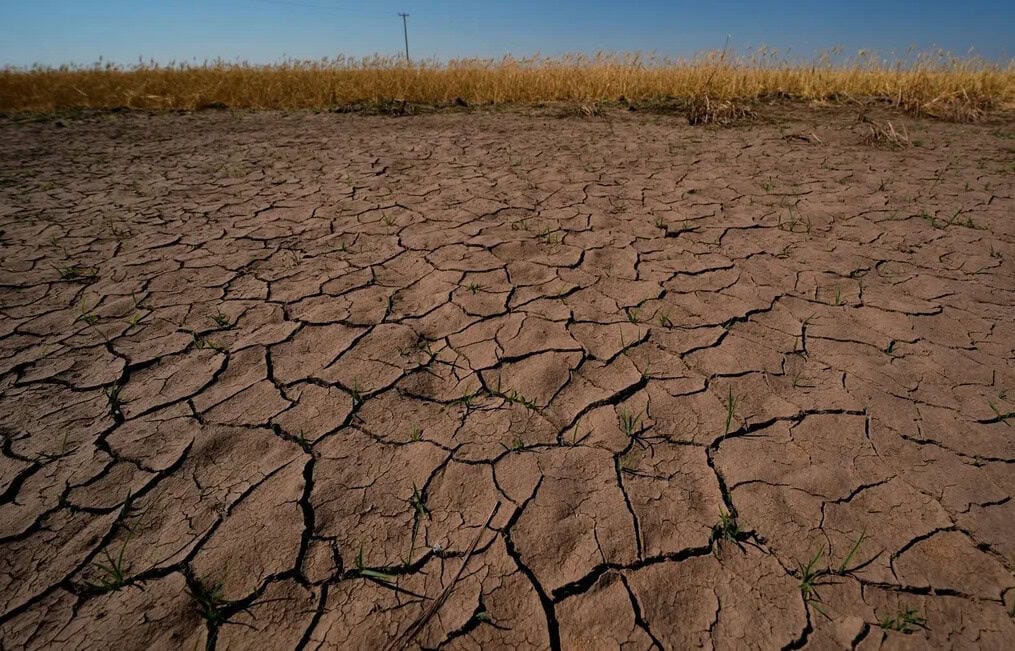
KUALA LUMPUR, July 27 — Johor and Melaka are projected to experience a 20 to 40 per cent reduction in rainfall during the upcoming Northeast Monsoon season later this year as the El Niño phenomenon begins to take hold, according to Malaysian Meteorological Department (MetMalaysia) director-general Dr Mohd Hisham Mohd Anip.
Speaking as a guest on Bernama TV’s Ruang Bicara programme titled El Nino: Is Malaysia Ready? tonight, Mohd Hisham noted that eastern Sabah could also see reduced precipitation due to its proximity to the Pacific Ocean, though states along the East Coast and northern Peninsular Malaysia are not expected to face drastic impacts through the end of the year based on current six-month climate projections.
“Currently, from the information we have an projections of rainfall from six months ahead, we don’t see significant effects in the East Coast till the end of the year,” Mohd Hisham explained.
The Northeast Monsoon typically commences in late October or early November and runs through late March, with East Coast states traditionally receiving their heaviest rainfall in November and December. However, Mohd Hisham warned that El Niño’s influence will intensify toward the monsoon’s conclusion before peaking in early 2027, potentially triggering sustained temperatures exceeding 35 degrees Celsius from February to May, and possibly stretching into June.
Regions historically most vulnerable to extreme heat during very strong El Niño events include Perlis, Kedah, northern Perak, inland Kelantan, and parts of inland Pahang.
Highlighting broader climate trends, Mohd Hisham stated that historical analysis of Malaysian temperature data since the 1980s demonstrates a baseline rise of 0.19 degrees Celsius per decade caused by global warming, while a strong El Niño event can temporarily elevate average temperatures by up to 0.7 degrees Celsius above normal levels.
“If this El Niño reaches the very strong level that is expected, the country’s highest temperature could surpass the record of 40.1 degrees Celsius recorded on April 9, 1998, with a potential temperature surge occurring between March and May 2027,” he warned.
MetMalaysia cautioned that prolonged dry spells and soaring temperatures threaten agricultural yields, livestock production, and dam reservoir capacities while escalating the likelihood of forest fires and transboundary haze across the region.
To help mitigate these impending water shortages, MetMalaysia stands ready to provide technical advice for cloud-seeding operations in critical catchment areas whenever atmospheric conditions permit.
“El Niño cannot be controlled because it is a natural phenomenon. What we at MetMalaysia can do is provide information on the conditions that are expected to occur,” Mohd Hisham said, while calling on the public to practice prudent water consumption and refrain from open burning to minimize environmental and health risks during hot, dry periods.
-NMT




More Stories
Wisma Putra Urges Malaysians in Flood-Hit Bangkok to Stay Vigilant, Register with Embassy
Bangkok Declares Disaster Zone Across All 50 Districts Following Severe Flooding
Over 200 Displaced in Gua Musang as Heavy Rain Triggers Floods in Kelantan