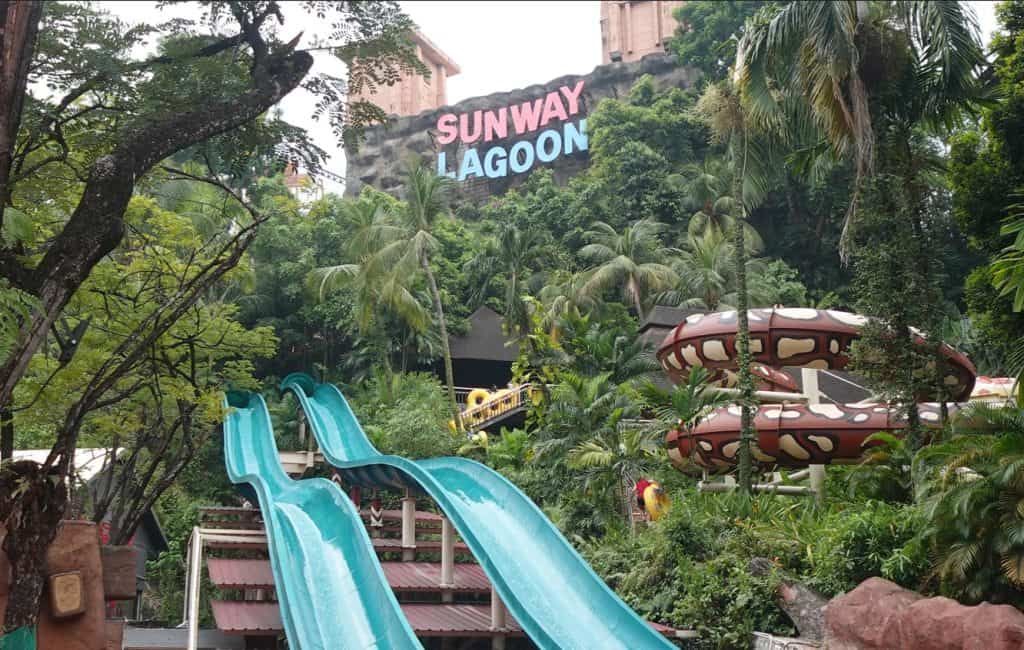
EDITORIAL, Aug 25 – Ten people were hurt on Saturday night in a roller coaster incident at a theme park in Subang Jaya. Twenty-two riders were on board — Malaysians and foreign tourists, aged eleven to forty-four — when something happened. All ten of the injured were treated at nearby medical facilities. Police say there were no fatalities, and an investigation is under way.
Read that paragraph again, and notice what’s missing. Every major outlet that covered this story — and by Sunday morning, most of them had — described the location the same way: “a theme park here,” “a theme park in Subang Jaya,” “a Selangor theme park.” Nobody named it. In a country with a small handful of theme parks large enough to run a roller coaster, this is not an information gap. Anyone who wanted to know which park it was could find out within a few clicks. The omission wasn’t concealment. It was something more interesting: a near-unanimous editorial decision, made independently by multiple newsrooms, to describe an identifiable place as if it weren’t identifiable at all.
One outlet broke ranks and named the operator outright. The rest didn’t. That split is worth examining, because it says less about this particular incident than it does about how Malaysian media handles corporate accountability when the corporation in question is large enough to hurt you back.
The most defensible explanation is legal caution, and it deserves to be taken seriously rather than waved off as cowardice. Malaysian defamation law puts publishers in a genuinely difficult position: a plaintiff doesn’t need to prove malice, only that a statement was published and that it damaged their reputation, and the burden then falls on the publisher to justify what was printed. With a police investigation still open and no official finding on what actually caused the malfunction, a newsroom that names the operator in the same sentence as “accident” or “mishap” is taking on real exposure — not for the reporting being wrong, but for the reporting outrunning what’s officially confirmed. That is a legitimate editorial constraint, not a fig leaf, and it mirrors the sub judice convention Malaysian crime reporting has followed for decades: withhold the name until the facts are established, not because the outlet is protecting anyone, but because it hasn’t been given anything conclusive to print.
The less comfortable explanation is commercial. Large leisure and hospitality operators of the kind that can run a full-scale roller coaster are, almost without exception, major advertisers — across broadcast, print and digital, often through dedicated media-buying agencies rather than ad-hoc placements. Nobody needs to place a phone call for that relationship to shape a headline. Editors who have spent years watching a company’s marketing budget move through their outlet don’t need to be told to hedge; they’ve learned to do it before anyone asks. That is precisely what makes commercial self-censorship harder to see, and harder to defend against, than the more legible danger of a lawsuit. A defamation claim is a risk a newsroom can calculate. An advertiser’s quiet displeasure is a risk it can only sense.
And then there is simple herd behaviour. Once two or three of the country’s largest outlets settled on “a theme park here,” every outlet that followed had cover — match the wording everyone else is using, and you’re not the one exposed if it turns out there was a reason for the caution. Nobody has to coordinate this. It happens on its own, the same way a market price finds its level: not through agreement, but through everyone independently doing the safest thing they can see everyone else already doing.
None of this means every outlet that withheld the name did so for the same reason, or that legal caution and commercial deference are indistinguishable. They aren’t. But readers have no way to tell which one they’re looking at, because newsrooms rarely say. A publication that withholds a name because its lawyers told it to, and a publication that withholds a name because it doesn’t want an awkward call from its biggest advertiser, produce identical copy. The silence looks the same either way. That is the actual problem here — not that a name was withheld, but that the withholding was never explained.
For what it’s worth, this editorial withholds it too. We’ve made that choice for the same reason we’re describing: the investigation into what caused Saturday’s malfunction hasn’t concluded, and naming the operator in a piece about an “accident” ahead of any official finding would be exactly the kind of leap we’re asking other newsrooms to justify. The difference we’d like to think matters is that we’re telling you we’re doing it, and why. A decision made in silence and a decision made in the open are not the same act, even when they produce the same sentence. Malaysian readers are entitled to know which one they’re getting — and Malaysian media should be in the business of telling them, story by story, rather than letting the omission speak for itself.
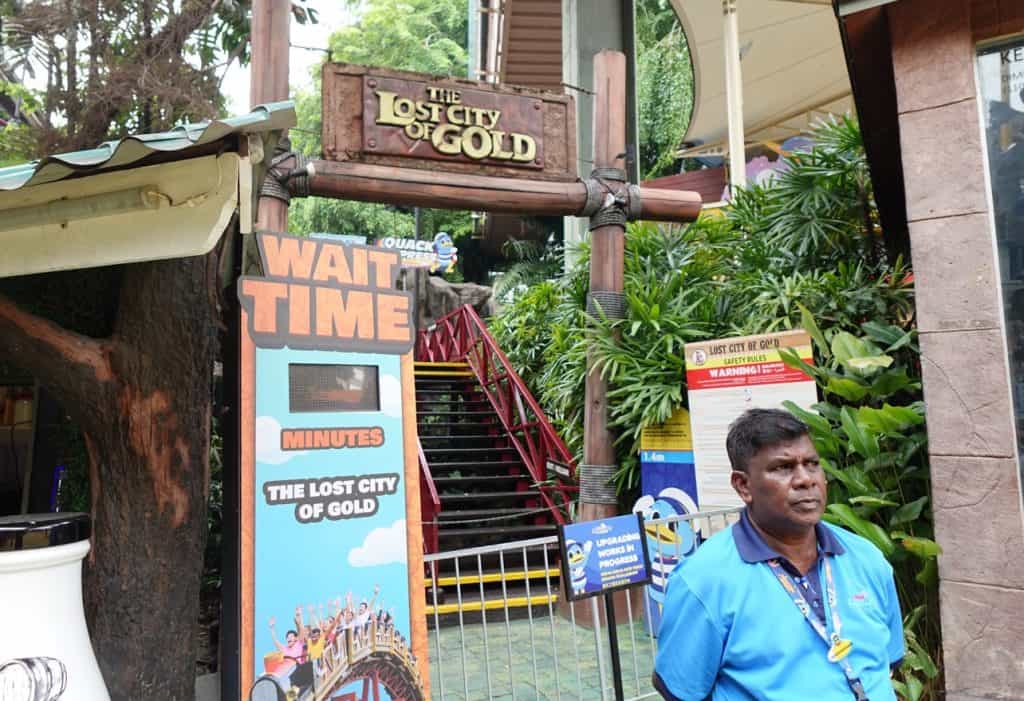
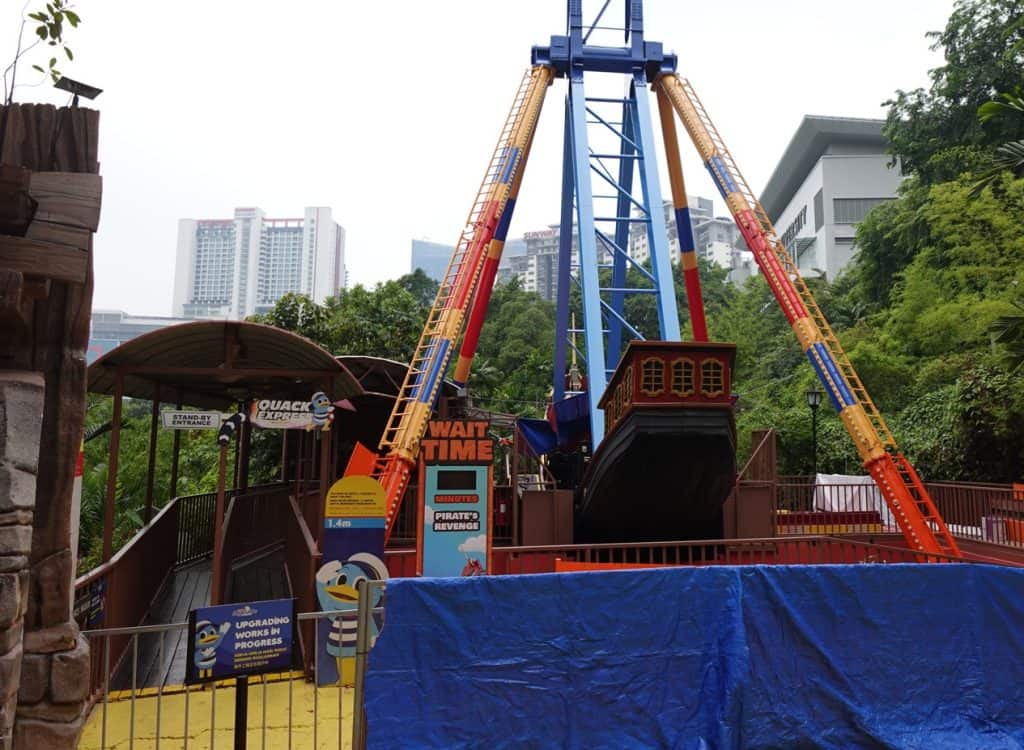
Out of investigative journalistic instinct however, one of our reporter drove to Sunway Lagoon today after reading Focus Malaysia’s article titled Roller Coaster Mishap at Sunway Lagoon Leaves 10 Injured.
We can’t confirm anything other than that at the time of our visit, few theme-park attractions were closed for upgrading, including the Pirate’s Revenge and their famous roller coaster ride, The City of Lost Gold.
Sunway Lagoon staff guarding the gate of the rides did not provide definitive answer as to when they will be back operational.
Frankly… frankly speaking… this is a matter of public interest and safety, the truth must not be hidden.
–NMT

More Stories
FMM Dismisses MTUC’s RM3,100 Minimum Wage Proposal as Excessive and Unrealistic
Bursa Malaysia Opens Higher on Domestic Demand Support as FBM KLCI Nudges to 1,737.94
Elderly Housewife Scammed of RM317,000 in Sibu Traditional Healing Ritual Fraud