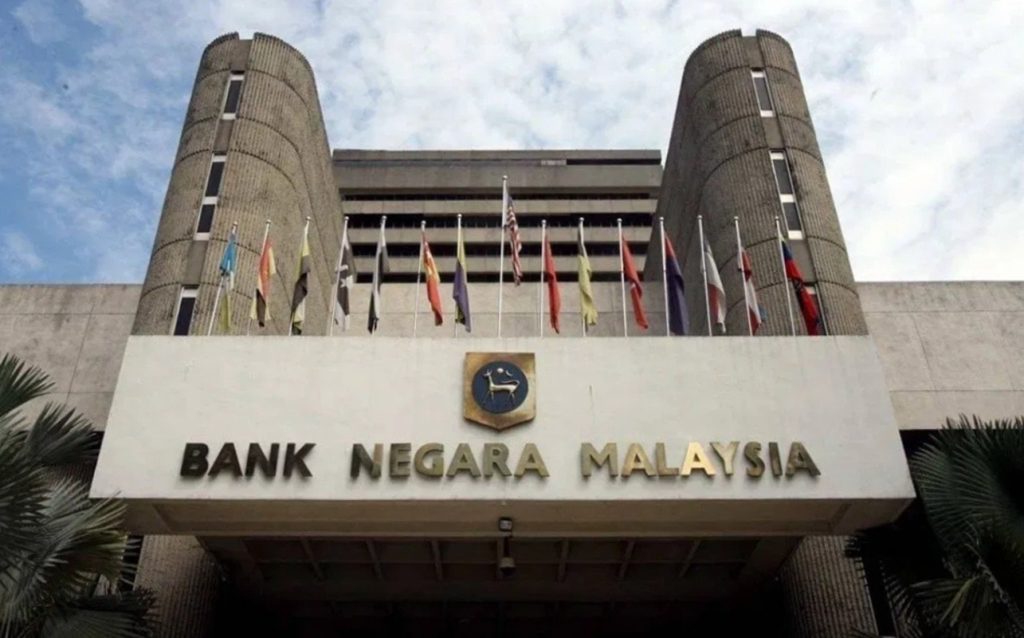
KUALA LUMPUR, Sept 4 — Research houses expect Bank Negara Malaysia (BNM) to hold the Overnight Policy Rate (OPR) unchanged at 2.75 per cent at its final Monetary Policy Committee (MPC) meeting in November, following the central bank’s decision yesterday to maintain current policy rates.
Hong Leong Investment Bank (HLIB) noted that while central bank signals hint at an eventual policy recalibration, a rate adjustment remains unlikely in the immediate term as a manageable domestic inflation environment allows BNM to maintain a wait-and-see posture.
“While we continue to anticipate an eventual policy normalisation back to 3.00 per cent, we opine that this 25 basis points hike will likely only materialise in 2027,” HLIB said in a research note.
Echoing this outlook, CIMB Investment Bank Bhd projected an increased likelihood of a 25 basis points hike back to 3.00 per cent in the first half of 2027 (1H 2027), particularly if Malaysia’s current growth momentum persists through the second half of 2026 alongside emerging demand-pull inflationary pressures.
“We will be watching our inflation monitor closely, which would strengthen the case for policy normalisation,” CIMB stated.
Meanwhile, RHB Investment Bank Bhd highlighted that a 25 basis points rate hike in the coming months cannot be entirely ruled out should inflation prove higher and more persistent than anticipated. The research house noted that while resilient economic fundamentals support a stable policy stance for now, unresolved geopolitical risks and potential oil supply disruptions could exert upward pressure on global energy costs.
“Resilient economic fundamentals and manageable inflationary pressures support a broadly stable policy stance, with no immediate need for policy adjustments,” RHB noted. “Nonetheless, lingering uncertainties surrounding geopolitical tensions and unexpected oil supply disruptions among major oil-producing nations could place upward pressure on global energy prices.”
–NMT



More Stories
Bursa Malaysia Stays Marginally Lower at Midday as Profit-Taking Weighs on Heavyweights
Bursa Malaysia Bounces Back on Bargain Hunting Despite High Oil Prices
Bursa Malaysia Closes Lower as Rising Oil Prices and Elevated Bond Yields Weight on Market Sentiment