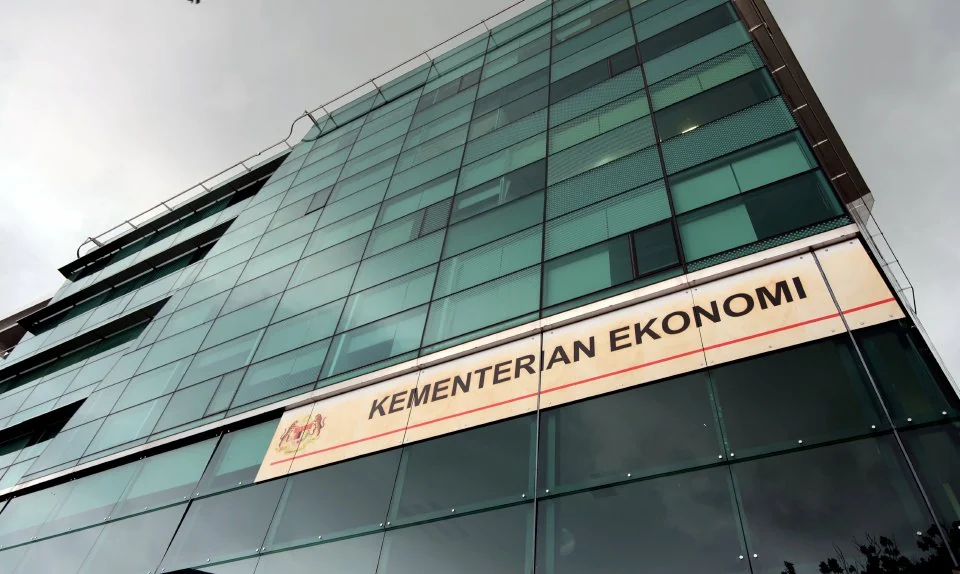
KUALA LUMPUR, Oct 30 – The Malaysian Government plans to reform federal development expenditure allocation by shifting away from historical spending patterns toward an equity and efficiency model aimed at narrowing regional productivity gaps.
The Economy Ministry stated that the reform’s primary objective is to trim the productivity disparity between less-developed states and the national average.
In a written response to Datuk Seri Dr Ahmad Samsuri Mokhtar (PN-Kemaman) in the Dewan Rakyat on Friday, October 30, 2026, the ministry clarified that annual budget allocation increases under Budget 2027 should not be viewed as a measure of state performance.
“Annual increases in allocations under Budget 2027 do not necessarily mean that states receiving smaller allocations are underperforming compared with more developed states,” the ministry stated, highlighting that more developed states often possess greater capability to diversify local economies using existing domestic resources.
The ministry warned that persistent structural economic imbalances between states pose a direct threat to national competitiveness, emphasizing that regions lagging in production capacity will broaden national productivity gaps if unaddressed.
Under the proposed reform, federal development funds will act as a targeted fiscal stimulus to eliminate infrastructure deficits, close technological divides, and address labor market weaknesses in less-developed states to achieve sustainable regional economic convergence.
Fiscal Allocation Principles, Regional Convergence, and Productivity Targets
Key policy objectives and allocation mechanisms highlighted by the Economy Ministry include:
- Shift in Allocation Methodology: Transitioning from historical spending baselines to an equity- and efficiency-driven allocation model.
- Core Objective: Narrowing the productivity gap between less-developed states and the national average.
- Fiscal Stimulus Priorities: Directing development expenditure to fix infrastructure deficits, bridge technology gaps, and resolve labor market deficiencies in lagging regions.
- Budget 2027 Allocation Context: Clarified that smaller allocation increases do not reflect underperformance, as developed states can leverage established economic resources.
–NMT



More Stories
Differing Views Among Ministries Part Of Healthy Policy Process, Says PM Anwar
Over 329,000 Teachers And 1.5 Million Students Trained In AI Ecosystem, Says Fadhlina
Artificial Intelligence Governance Bill Set For Early 2027 Parliamentary Tabling