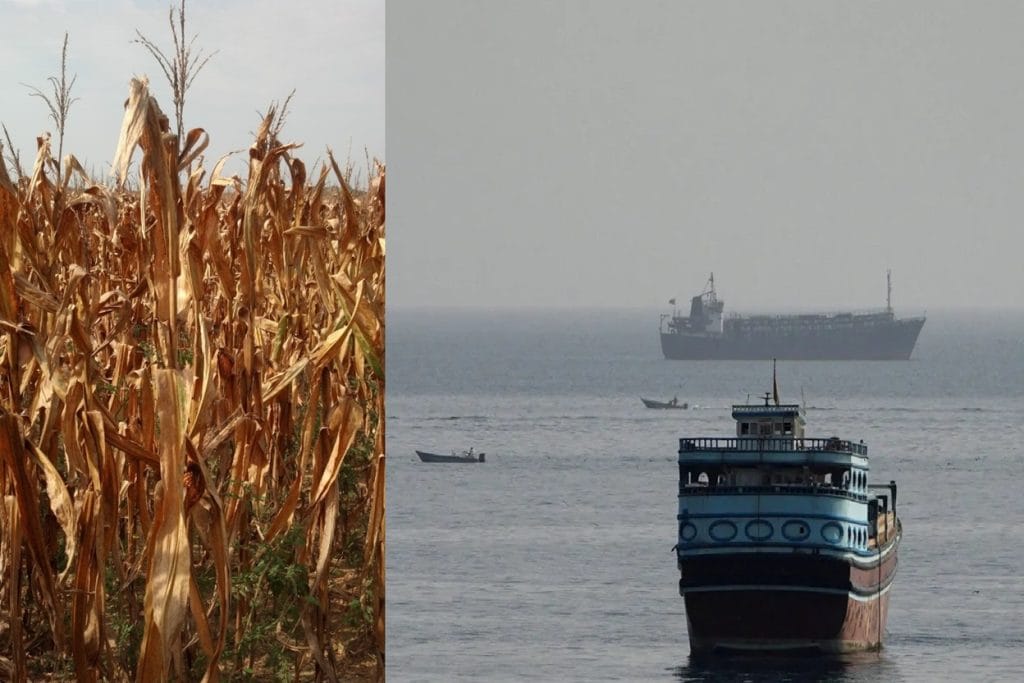
MOSCOW, Sept 17 — Ongoing disruptions to shipping through the Strait of Hormuz are driving a global fertilizer shortage and severely deteriorating conditions across international energy and agricultural markets, according to the Food and Agriculture Organisation (FAO).
Oleg Kobiakov, Director of the UN FAO Liaison Office with the Russian Federation, warned that what began as an acute conflict involving Iran has now evolved into a protracted, systemic crisis affecting worldwide supply chains.
“Disruptions to shipping through the Strait of Hormuz are causing a global fertiliser shortage, leading to a deterioration in fertiliser market conditions and rising energy prices,” Kobiakov stated.
The military escalation erupted on Feb 28 when the United States and Israel launched strikes against targets in Iran, triggering retaliatory military actions by Tehran. Although Iran and the US signed a memorandum in mid-June to cease hostilities, subsequent exchanges of strikes broke the truce, leaving the regional conflict unresolved.
The heightened confrontation has brought maritime traffic through the Strait of Hormuz—a crucial transit corridor for global crude oil, refined petroleum products, and liquefied natural gas (LNG)—to a near-standstill. As a result, fuel and energy prices have surged worldwide, further compounding production and logistical pressures on global agricultural inputs.
–NMT

More Stories
21 Death in War-Damaged Residential Building Collapses in Gaza City
All Malaysians in Saudi Arabia Safe Following Drone Interception Near Makkah, Says Foreign Ministry
Unsubsidised Fuel Prices Rise 35 Sen Per Litre as Global Crude Surges Past US$100