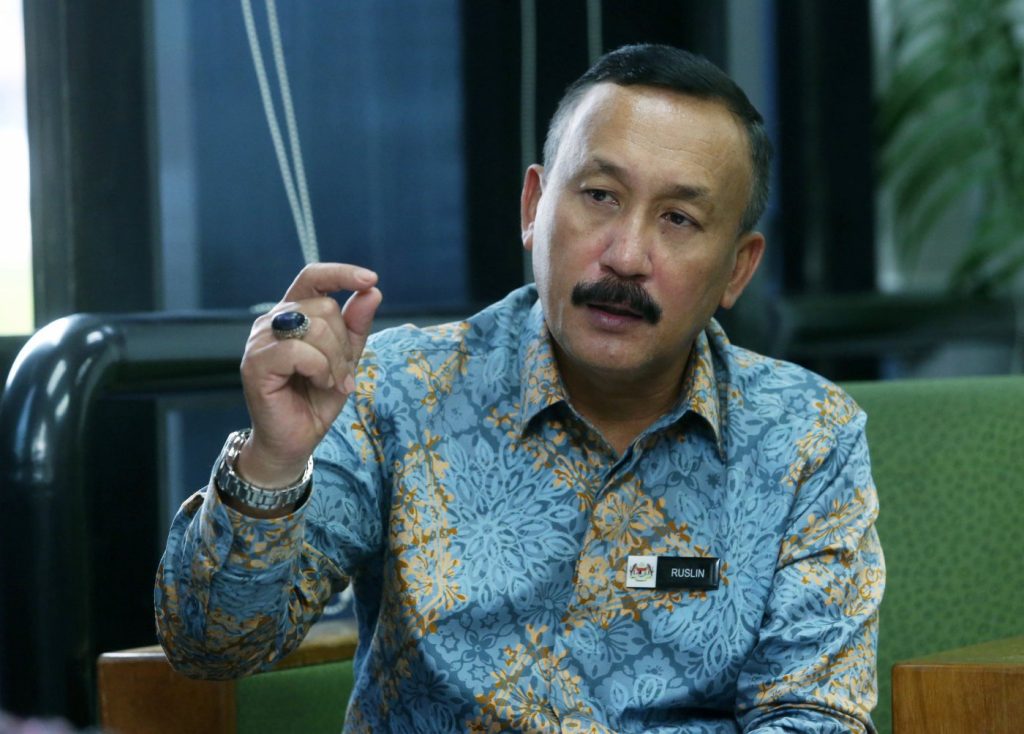
KUALA LUMPUR 6 MAC 2025. Ketua Pengarah Agensi Anti Dadah Kebangsaan (AADK), Datuk Ruslin Jusoh pada program podcast Apa Apa Saja Harian Metro di Studio NSTP. NSTP/ROHANIS SHUKRI
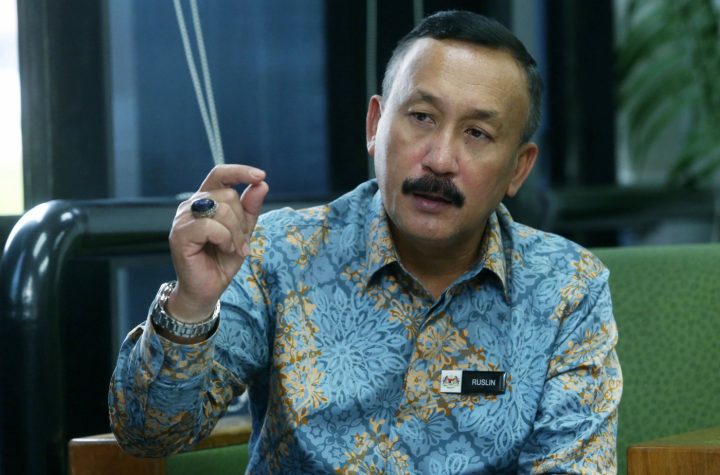
PUTRAJAYA, Oct 20 – Terengganu, Kelantan, Kedah, and Perlis recorded the highest rates of drug and substance addiction and abuse in Malaysia based on statistics compiled up to June 2026, according to National Anti-Drugs Agency (NADA) Director-General Datuk Ruslin Jusoh.
In an official statement released on Tuesday, October 20, 2026, Ruslin revealed that Terengganu registered the nation’s highest rate at 735 individuals per 100,000 population, followed by Kelantan (694), Kedah (669), and Perlis (646).
The agency highlighted that geographical risk factors—specifically cross-border smuggling routes along northern and east-coast boundaries—significantly fuel drug trafficking and abuse in these four northern belt states.
Nationwide, a total of 130,307 drug and substance abuse cases were logged during the same period, representing an overall national rate of 381 individuals per 100,000 population. The integrated statistics were compiled from four primary sources: NADA, the Royal Malaysia Police (PDRM), the Ministry of Health (MOH), and private rehabilitation centers.
Targeted Interventions, Enforcement Operations, and Voluntary Rehabilitation Surge
Key operational metrics and statutory developments highlighted in NADA’s nationwide report include:
- Targeted Community Prevention: NADA is prioritizing enforcement, public awareness, and community empowerment in high-risk states across three primary sectors: educational institutions, families, and local communities. A total of 242 prevention programs involving 16,408 participants were conducted, with 228 sessions staged across Terengganu, Kelantan, and Kedah.
- Nationwide Enforcement Operations: Authorities executed 4,253 enforcement operations across the country, resulting in 30,157 individuals detained for mandatory treatment and rehabilitation programs as of October 18.
- Rise in Voluntary Admissions: NADA noted a substantial increase in individuals seeking treatment voluntarily, rising from a monthly average of 75 in 2025 to 232 per month in 2026. Ruslin attributed this shift to legal amendments under the Drug Dependants (Treatment and Rehabilitation) Act 1983, which came into force on August 22, 2025.
- State Action Framework: NADA continues to utilize data-driven strategies while strengthening collaboration with state governments through Drug Eradication Action Council (MTMD) meetings to streamline inter-agency prevention and recovery pipelines.
NADA reiterated its commitment to expanding voluntary community treatment models while curbing cross-border supply chains.
–NMT


More Stories
Kulim Court Sentences Eight Locals And Remands 41 Foreigners Over Online Fraud Operations
Police Arrest Six Men In Butterworth Over Brutal Abuse Of Indonesian Domestic Worker
Police Arrest Babysitter Following Fatal Collapse Of 10-Month-Old Infant In Tasek Gelugor