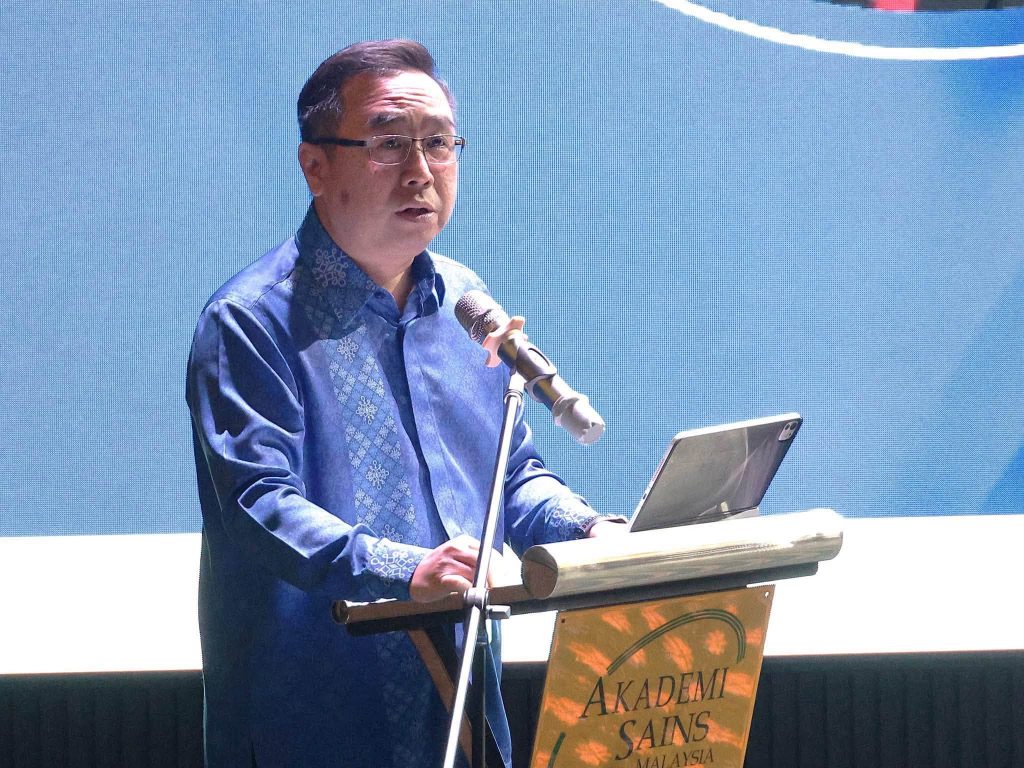
KUALA LUMPUR, Nov 19 – Hydrogen fuel technology could serve as a viable alternative to diesel for heavy commercial vehicles, express buses, and long-haul freight transport—bolstering Putrajaya’s broader strategy to decarbonise Malaysia’s transportation sector, Science, Technology and Innovation Minister Datuk Chang Lih Kang told the Dewan Rakyat on Thursday, November 19, 2026.
Speaking during Ministers’ Question Time (MQT) in response to Datuk Larry Sng Wei Shien (PBM–Julau), Chang noted that hydrogen also offers competitive operating costs compared with diesel, particularly when unsubsidised diesel prices are factored into fleet economics.
Because hydrogen possesses a high gravimetric energy density—enabling it to store substantial energy per kilogram of fuel—it is especially well-suited for heavy-duty transport operations that require extended driving ranges and optimal cargo payload capacity.
Complementing Electric Vehicles and Pilot Mobility Programmes
Chang explained that battery electric vehicles (EVs) and hydrogen fuel cell electric vehicles (FCEVs) can be developed in tandem to establish an integrated low-carbon mobility ecosystem:
- Complementary Roles: While EVs are ideal for daily urban commutes, hydrogen-powered FCEVs are uniquely suited for heavy commercial transport, long-distance travel, and intensive duty cycles where shorter refuelling times and longer ranges are essential.
- Pilot Bus Conversions: Through the Enabling Mobility Electrification for Green Economy (Emerge) programme funded by MOSTI’s Strategic Research Fund, NanoMalaysia Berhad (NMB) is actively developing three EV bus conversions and two fuel cell electric buses (FCEBs) to integrate hydrogen systems with electrification platforms.
- Feasibility Studies Required: Chang emphasised that comprehensive feasibility studies remain necessary to evaluate domestic grey hydrogen supply chains, overall carbon intensity, and environmental impacts prior to large-scale commercial deployment.
Strategic Advantages, Pilot Initiatives, and Policy Assessment
Key ministerial points, technical benefits, and ongoing research programmes include:
- Heavy-Transport Decarbonisation: Science, Technology and Innovation Minister Datuk Chang Lih Kang told the Dewan Rakyat on Nov 19, 2026, that hydrogen fuel offers a competitive alternative to unsubsidised diesel for heavy commercial vehicles, express buses, and long-haul freight.
- Technical & Operational Edge: High gravimetric energy density supports longer ranges, optimal load capacity, and rapid refuelling, allowing FCEVs to complement EVs within Malaysia’s low-carbon mobility ecosystem.
- R&D and Feasibility Studies: NanoMalaysia Berhad (NMB) is developing three EV bus conversions and two fuel cell electric buses (FCEBs) under the Emerge programme, while MOSTI stresses the need for feasibility studies on domestic grey hydrogen supply, carbon intensity, and environmental impact.
–NMT

More Stories
More Than 100,000 Personnel And Nearly 2,500 Boats Mobilised For Northeast Monsoon, Says Ahmad Zahid
Moderate Magnitude 5.3 Earthquake Hits Off West Coast Of North Sumatra, No Tsunami Threat To Malaysia
Northeast Monsoon Readiness, 3R Legislation, And Foreign Worker Data Lead Dewan Rakyat Sitting Today