KUALA LUMPUR, Oct 15 – The government is formulating a legal mechanism to seize assets and impose extended prison sentences on drivers under the influence of alcohol or drugs who fail to pay court-ordered compensation to victims or surviving family members.
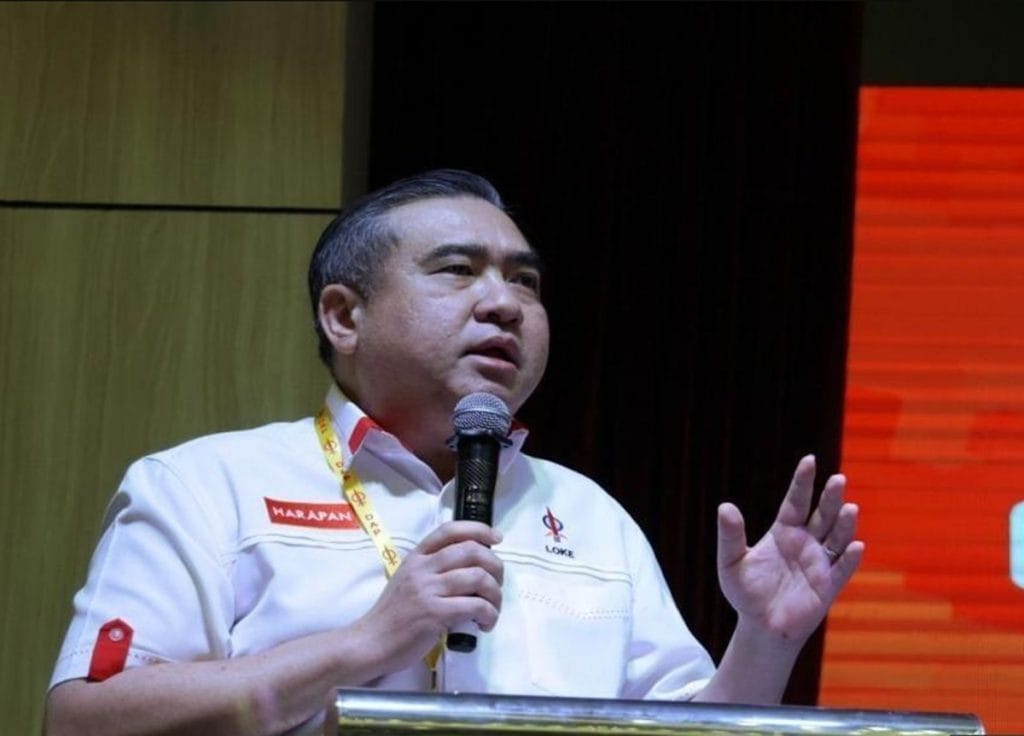
Transport Minister Anthony Loke stated in the Dewan Rakyat that these measures aim to ensure compensation orders under proposed amendments to the Road Transport Act 1987 (Act 333) offer genuine financial recourse for affected families, particularly when offenders claim an inability to pay.
“Under existing provisions in other laws, if an offender is unable to pay compensation, a heavier fine or an additional prison sentence may be imposed. We are also looking into whether the offender’s assets can be seized to ensure that compensation is actually paid to the next of kin,” Loke said during Question Time.
The Transport Minister was responding to a supplementary question from Datuk Ahmad Saad @ Yahaya (PN-Pokok Sena) regarding financial protections for families when at-fault drivers lack the funds to settle court compensation.
Amendment Timelines and Traffic Demerit Overhaul
The Transport Ministry outlined statutory timelines and broader road safety reform plans:
- Legislative Timeline: In response to the original inquiry regarding statutory rights for victim families, Loke confirmed the ministry plans to table amendments to Act 333 in Parliament early next year.
- Demerit System Revamp: Loke noted that the government will revamp the national traffic demerit points framework.
- Deterrence Enhancement: The minister described the current demerit structure as ineffective because points are only deducted after offenders settle traffic summonses, diminishing its immediate deterrent impact.
The proposed legal updates seek to enforce accountability while providing direct compensation pathways for victims of impaired driving accidents.
–NMT


More Stories
Malaysia Sees 4.5 Per Cent Drop In Live Births As Fertility Rate Declines To 1.5 Children Per Woman
Mindef Launches ‘HITS’ Initiative To Lower Living Costs For Military Personnel
Preliminary Report On Long Lellang Helicopter Crash To Be Tabled In Cabinet Tomorrow