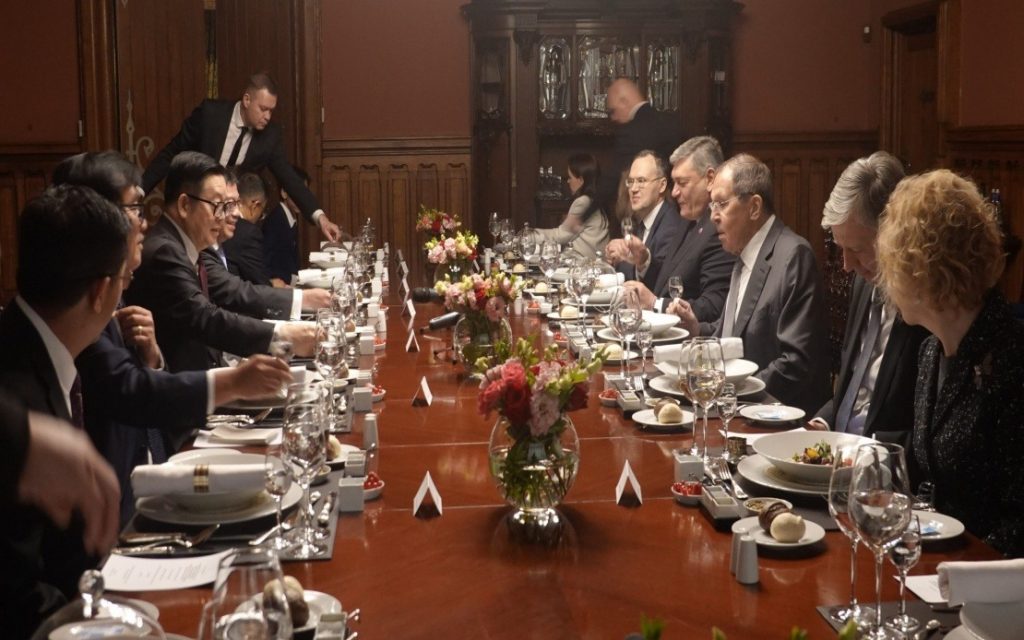
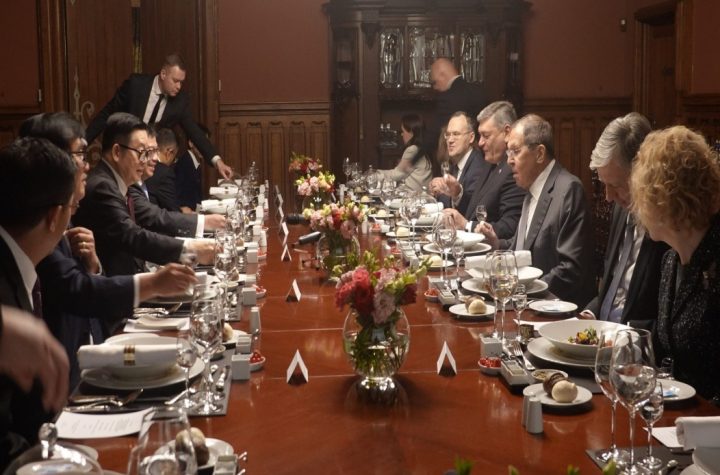
Photo : ASEAN SECRETARIAT
MOSCOW, Oct 13 – Russia and member countries of the Association of Southeast Asian Nations (ASEAN) are actively exploring new avenues of strategic cooperation, specifically targeting maritime security, pandemic countermeasures, and customs management.
Russian Foreign Minister Sergey Lavrov highlighted the expanding bilateral scope during a bilateral meeting in Moscow on Tuesday, October 13, 2026, with ASEAN Secretary-General Kao Kim Hourn.
Lavrov reiterated that deepening the strategic partnership with ASEAN remains a core, enduring priority within Russia’s broader foreign policy orientation toward Asia and Eurasia.
He characterized the regional block as a highly reliable partner sharing a long history of diplomatic collaboration and an increasing volume of active economic and security initiatives.
Strategic Bilateral Priorities and High-Level Moscow Engagements
Key focus areas and diplomatic engagements discussed during the meeting include:
- Key Areas of New Cooperation: Ongoing substantive dialogues are focused on establishing institutional platforms for maritime security, joint pandemic response protocols, customs administration, and youth exchanges.
- Second Official Visit to Russia in 2026: The meeting marks Secretary-General Kao Kim Hourn’s second official trip to Russia this year, following his attendance at the Russia-ASEAN Summit in Kazan in June, which commemorated the 35th anniversary of dialogue relations.
- High-Level Itinerary in Moscow: The ASEAN chief’s schedule in Moscow includes high-level discussions with representatives from the Russian Presidential Administration, various federal ministries, the Eurasian Economic Commission, and participation in the Russian Energy Week forum.
Both sides reaffirmed their mutual commitment to maintaining regional stability and enhancing trade and technical integration across Eurasia.
–NMT

More Stories
US President Donald Trump Confirmed To Attend 49th ASEAN Summit In Manila This November
Taiwan Agrees To Purchase 30 Percent Of Alaska Pipeline LNG Output For 20 Years, Says Trump
Cornell University Bans All Fraternity Parties For Academic Year Following High-Profile Gang Rape Case