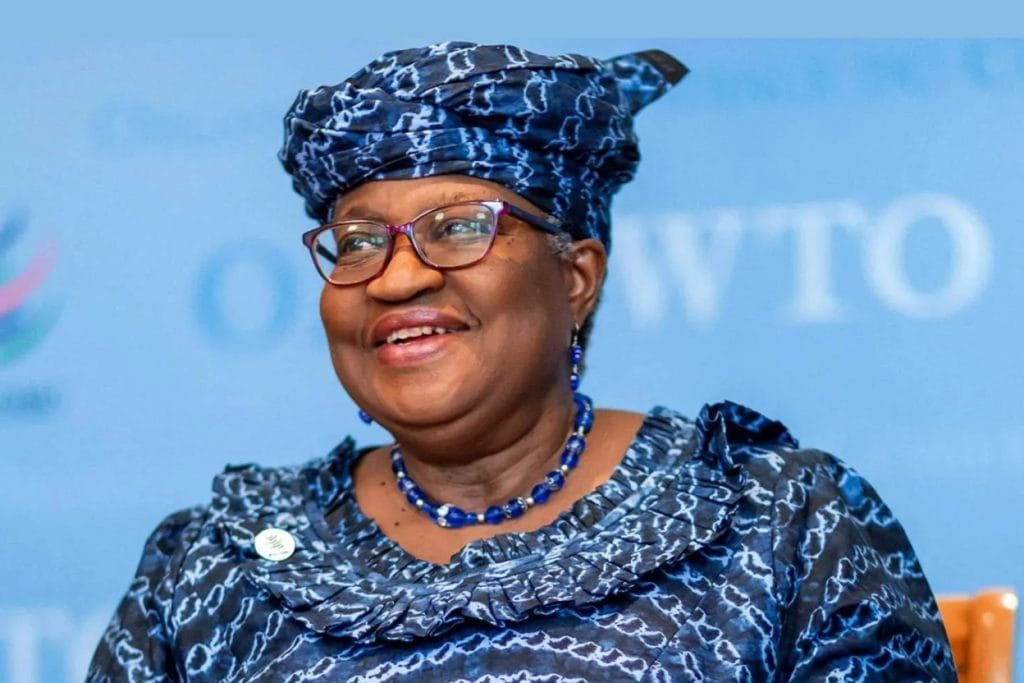
GENEVA, Sept 18 — Global trade is confronting its most severe disruption in eight decades as mounting supply chain bottlenecks in the Strait of Hormuz threaten to escalate global food and fertiliser prices, World Trade Organisation (WTO) Director-General Ngozi Okonjo-Iweala warned.
Speaking on the sidelines of the WTO’s Public Forum in Geneva, Okonjo-Iweala emphasized that while the multilateral trading system has demonstrated resilience, the escalating West Asia conflict represents a critical test for the organisation’s 166 member nations.
Despite intensifying geopolitical headwinds, global trade in goods expanded by an unexpectedly robust 4.6 per cent this year, significantly outperforming initial full-year growth projections of 1.9 per cent after first-quarter volume grew by 3.2 per cent. Currently, approximately 72 per cent of all international commerce continues to function under established WTO rules.
Okonjo-Iweala noted that much of the trade momentum was propelled by a surge in artificial intelligence-related commerce, bolstered by low- and zero-tariff agreements encompassing US$3 trillion in global semiconductor and microchip shipments. However, she cautioned against assuming the long-term sustainability of the trend, highlighting that the financial dividends remain heavily concentrated in North America and East Asia, thereby heightening concerns regarding global market inclusivity.
Addressing the acute maritime risks, the Director-General explained that strategic national reserves have thus far shielded global markets from the immediate economic shocks caused by Strait of Hormuz disruptions. She warned, however, that prolonged blockades along the crucial maritime corridor will inevitably filter through to higher agricultural production costs.
The WTO’s previous estimates indicated that crude oil prices exceeding the US$90-a-barrel threshold would reduce overall global trade growth by 0.5 percentage points—a threshold current market prices have now surpassed.
While maritime shipping lines have managed to maintain transport volumes by rerouting vessels away from high-risk zones, Okonjo-Iweala cautioned that the resulting extended detours are introducing steep cost premiums, undermining the long-term stability of international supply networks.
In response to the growing vulnerability of key maritime chokepoints and rapid technological shifts, governments globally have begun drafting comprehensive contingency plans. Simultaneously, the heightened instability has accelerated internal WTO deliberations surrounding the urgent necessity to modernise global trade governance for the modern era.
–NMT

More Stories
Capital A Proposes Capital Optimisation Exercise, Eyes Divestment of BigPay and Tune Protect Stake
Sabah Records 25.5% Surge in Chinese Tourist Arrivals as Xiamen Airlines Resumes Direct Flights
Ahmad Zahid Arrives in Jakarta for Four-Day Visit to Boost Malaysia-Indonesia Bilateral Ties