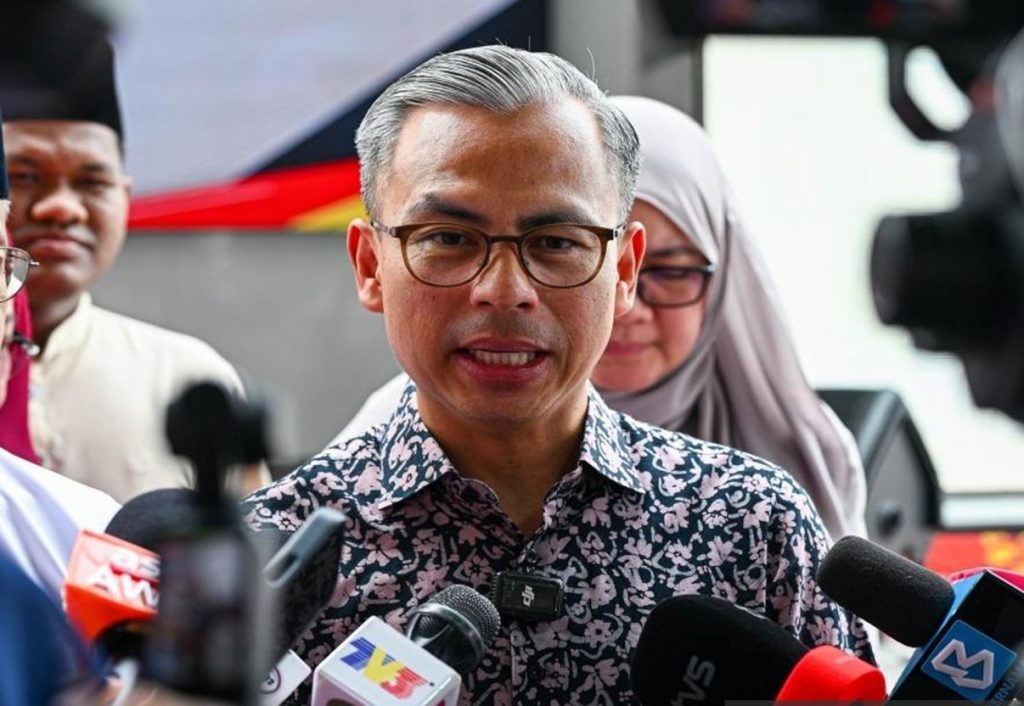
PUTRAJAYA, Nov 18 – No significant cyber threats compromising citizens’ personal data or Malaysia’s digital infrastructure have been detected to date, Communications Minister Datuk Seri Fahmi Fadzil confirmed on Wednesday, November 18, 2026.
Addressing unverified claims circulating on dark web platforms alleging leaks of Malaysians’ personal data, Fahmi said the National Cyber Security Agency (NACSA) has not recorded any such breaches.
“I have received reports, but as of today, there have been no major threats which have resulted in people’s data being affected or stolen. Sometimes, the data involved may be old data from previous incidents. So far, no such incidents have been reported by NACSA,” he told reporters after a forum session at the Malaysia Idea Conference (SIM), held in conjunction with the 2026 Putrajaya Festival of Ideas (FOI).
Accelerating Quantum-Safe Telecommunications and Monitoring AI Cyber Threats
Outlining Putrajaya’s proactive defence against evolving global cyber risks, Fahmi stated that Malaysia is accelerating its transition toward quantum-safe telecommunications systems and infrastructure—utilising quantum encryption to fortify data transmission and deter sophisticated cyber intrusions.
To operationalise this transition, both the Malaysian Communications and Multimedia Commission (MCMC) and NACSA have been instructed to engage telecommunications providers and fibre-optic network operators to safeguard national communication channels against future quantum-based threats.
On emerging artificial intelligence (AI) risks, Fahmi acknowledged growing international concern over malicious actors deploying autonomous AI agents to execute coordinated cyberattacks, though no such incidents have surfaced in Malaysia thus far:
- Domestic Surveillance: NACSA continuously monitors the threat landscape and stands ready to intervene immediately if AI-driven threats approach government agencies or critical digital infrastructure.
- Global AI Cyber Trends: Earlier this month, Google’s Threat Intelligence Group (GTIG) and the United States Federal Bureau of Investigation (FBI) revealed that hackers have begun deploying AI-powered penetration-testing tools such as ARTEX to automate intrusions across financial, government, energy, healthcare, and telecommunications sectors.
- European Supply Chain Attacks: A separate wave of cyberattacks in October and November 2026 targeted cooling systems and cold chains across roughly 700 supermarkets in at least nine European nations, disrupting food distribution and causing tens of millions of euros in losses.
Last Saturday, Prime Minister Datuk Seri Anwar Ibrahim noted that Malaysia fends off thousands of cyberattack attempts every month, underscoring the need for heightened responsiveness and advanced capabilities among security teams. Earlier on November 4, NACSA raised the National Cybersecurity Threat Level from low to moderate to ensure essential national services remain shielded against potential disruptions.
Cybersecurity Status, Quantum-Safe Transition, and Global Threat Context
Key government assurances, infrastructure upgrades, and international threat benchmarks include:
- Domestic Threat Assessment: Communications Minister Datuk Seri Fahmi Fadzil confirmed on Nov 18, 2026, that NACSA has detected no major breaches affecting public data or digital infrastructure, noting alleged dark web leaks remain unverified or stem from recycled historical breaches.
- Quantum-Safe Infrastructure Push: MCMC and NACSA have been tasked with engaging telcos and fibre-optic operators to accelerate Malaysia’s shift to quantum-encrypted telecommunications.
- AI Agent Threat Monitoring: While no autonomous AI-agent attacks have hit Malaysia, NACSA is closely tracking global risks—following GTIG/FBI warnings on AI penetration tools (ARTEX) and recent cyberattacks on 700 European supermarkets—after raising the National Cybersecurity Threat Level from low to moderate on November 4 amid thousands of monthly intrusion attempts.
–NMT

More Stories
Three Concurrent Military Platforms Bolster ASEAN Defence Cohesion, Says Army Chief
New Melaka Exco Lineup To Be Unveiled And Sworn In Tomorrow, Says Ab Rauf
Ahmad Zahid: Ismail Lasim’s Resignation Status And New Negeri Sembilan MB Candidate Await Palace Announcement