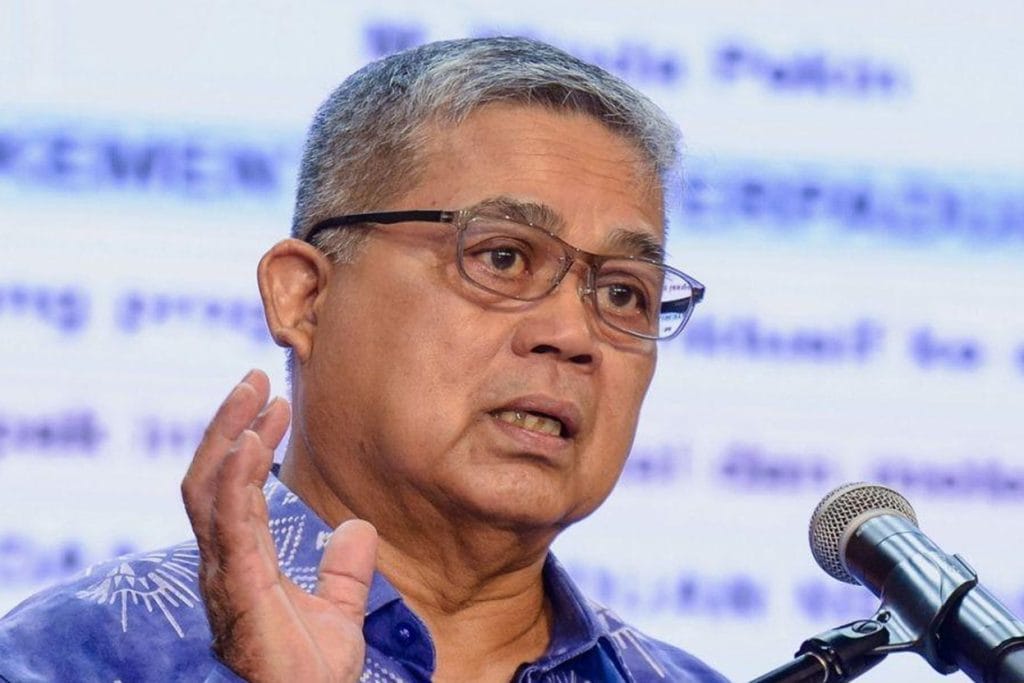
KUALA LUMPUR, Nov 16 – Malaysia’s comprehensive nation-building agenda—centred on forging national identity, fostering historical appreciation, instilling civic values, and strengthening a shared sense of belonging among all citizens—will officially be launched on Wednesday, December 2, 2026.
National Unity Minister Datuk Aaron Ago Dagang announced during the Dewan Rakyat question-and-answer session on Monday, November 16, that his ministry has been mandated to spearhead the initiative in alignment with the 13th Malaysia Plan (13MP). The agenda encompasses broad efforts to reinforce national identity, historical awareness, and loyalty to the nation regardless of ethnic, religious, or cultural background.
Responding to a question from Datuk Mumtaz Md Nawi (PN–Tumpat) regarding how the government ensures the national historical narrative incorporates Islam and Malay identity as core pillars while respecting minority rights, Aaron stressed that the agenda is anchored in historical facts, the Federal Constitution, and the principles of unity in diversity.
“The historical, cultural and Islamic religious standing, as well as the Malay identity, which serve as some of the foundations upon which the nation was established, should always be recognised, while safeguarding the rights, contributions and heritage of other communities that have also shaped Malaysia’s identity,” he told the lower house.
Constitutional Foundations and Academic Consultation
Aaron noted that this balanced framework is embedded in the National Unity Policy, which upholds the core constitutional pillars of Malaysian nationhood:
- The institution of the Malay Rulers
- Islam as the religion of the Federation
- Bahasa Melayu as the national language
- The special position of the Malays and the natives of Sabah and Sarawak
Simultaneously, the policy recognises the legitimate interests of other communities alongside the ethnic, religious, linguistic, and cultural diversity that defines modern Malaysia.
“Forming a national identity does not mean erasing the identity of each community, but rather fostering a shared national identity rooted in the country’s history, the Rukun Negara, patriotism and loyalty to the country,” he said, adding that his ministry consulted historians, constitutional experts, academics, sociologists, and cultural experts to ensure the historical narrative remains inclusive and strictly fact-based.
Combating Deepfakes, Historical Distortion, and Social Deficits
Addressing concerns over the circulation of inaccurate historical claims capable of sparking racial and religious friction, Aaron confirmed that the National Unity Ministry is collaborating closely with the Education Ministry and the Communications Ministry to counter misleading digital content—particularly among youth.
He warned that emerging technologies, including deepfakes capable of generating convincing fabricated media, risk shaping the perceptions and ideologies of younger generations heavily exposed to online platforms.
Aaron pointed out that social media ranks among the 10 key social deficits identified by the government as hurdles to national cohesion, alongside race- and religion-related sensitivities, requiring sustained inter-ministerial and inter-agency coordination.
Launch Date, Constitutional Pillars, and Digital Countermeasures
Key policy milestones, constitutional principles, and inter-ministerial initiatives include:
- Official Launch Date: December 2, 2026, led by the National Unity Ministry in line with the 13th Malaysia Plan (13MP).
- Core Focus Areas: National identity formation, fact-based historical appreciation, civic values, and shared belonging rooted in the Rukun Negara and Federal Constitution.
- Constitutional & Inclusive Balance: Recognises the Malay Rulers, Islam as the religion of the Federation, the Malay language, and the special position of Malays and Sabah/Sarawak natives while safeguarding the rights, heritage, and contributions of all other communities.
- Countering Digital Misinformation: Joint efforts with the Education and Communications Ministries to address deepfakes, historical distortion, and social media risks—identified as one of Malaysia’s 10 social deficits.
–NMT

More Stories
DBKL To Brief Prime Minister On Kuala Lumpur Flash Flood Mitigation Ahead Of Monsoon
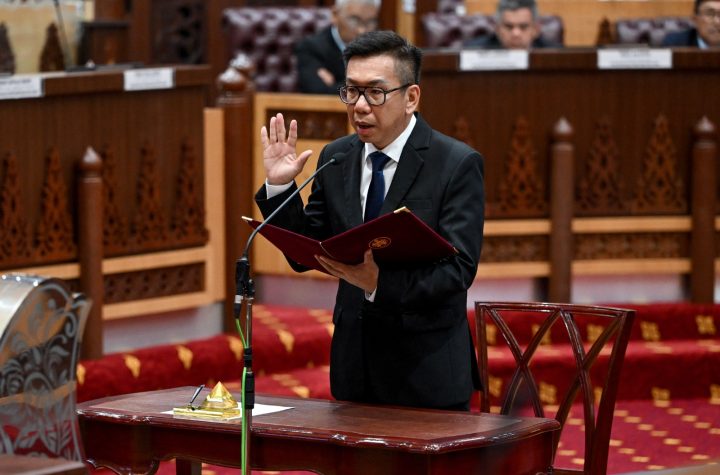
Gerakan’s Chan Chee How Sworn In As Terengganu Appointed Assemblyman For Non-Muslim Community
Deputy PM Ahmad Zahid Moots Extending PLKN Training To 90 Or 180 Days