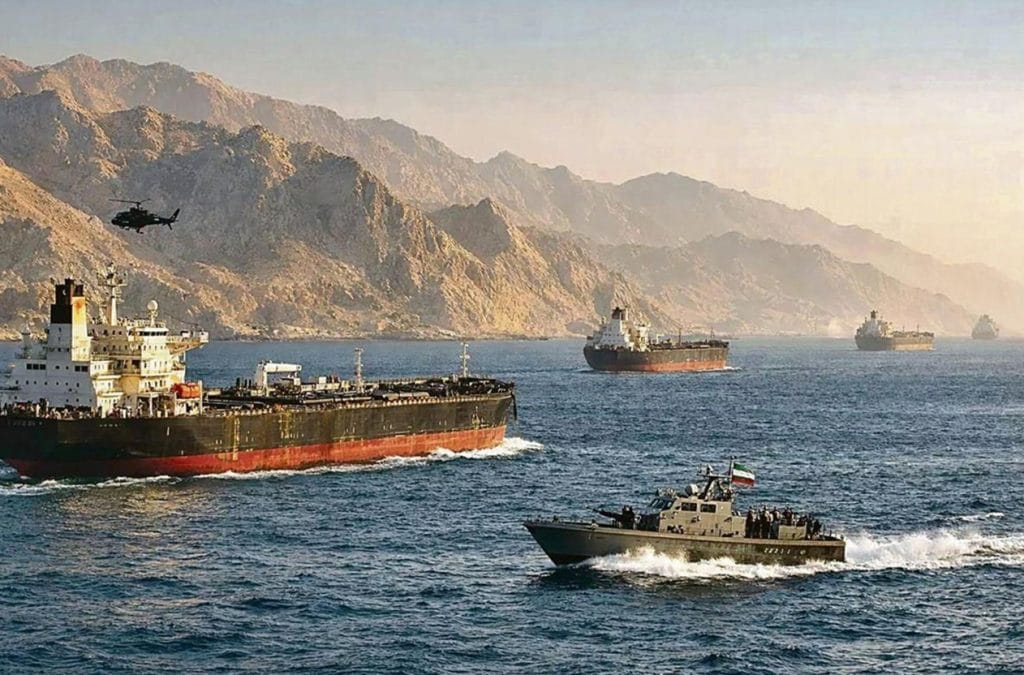
MOSCOW, Sept 15 — A blockade of the Strait of Hormuz would cause a reduction in global food production and supplies through the second half of 2026 and into 2027, according to the United Nations (UN) Food and Agriculture Organisation (FAO).
Oleg Kobiakov, Director of the UN FAO Liaison Office with the Russian Federation, warned that the consequences of maritime disruptions in the critical shipping lane extend far beyond immediate energy and price spikes, directly threatening upcoming agricultural harvests.
“The consequences affect not only current price levels but will also impact harvests in subsequent seasons, leading to a reduction in food production and supplies in the second half of 2026 and in 2027,” Kobiakov said.
He explained that agricultural operations rely on strict, time-sensitive crop calendars. Consequently, even a delivery delay of a few weeks could force farmers to reduce or forgo fertiliser application entirely, resulting in sharply reduced crop yields regardless of subsequent growing conditions.
“According to an analysis conducted by the FAO, the interconnected shocks caused by the crisis could lead to rising food prices and increased hunger in countries and regions already affected by protracted or acute food crises,” Kobiakov added.
The supply chain disruption follows escalating conflict in the region, which began on Feb 28 with strikes between the United States, Israel, and Iran. Despite a memorandum signed in mid-June between Tehran and Washington to cease hostilities, intermittent strikes have persisted, leaving the wider conflict unresolved and maritime traffic through the strait at a near-standstill.
The Strait of Hormuz remains a critical global transit artery for crude oil, petroleum products, liquefied natural gas (LNG), and key agricultural inputs, with the ongoing shipping halt driving up fuel prices globally.
-NMT



More Stories
Trump Claims Iran Seeking Deal to End War, Forecasts Drop in Fuel Prices
Trump Asserts US-Iran War Will End Immediately After November Midterm Elections
Iran to Declare Restricted Maritime Zone Outside Strait of Hormuz, Threatens Sanctions on Vessels